My interdisciplinary research focuses on the analysis of social transformation processes at the intersection of space, media, and culture. A particular emphasis lies on queer spaces, digital communication, and post-migrant lived realities. Methodologically, I work primarily with qualitative approaches — including participant observation, interviews, focus groups, and discourse analysis — and place great importance on reflexive social research that makes social inequalities visible.
Current Project
Re:Membering Asians. The Crises and Construction of Cultural Memory Using the Example of Asian Communities in Germany
The research project Re:Membering Asians examines the relationship between polycrisis and the cultural memories of Asian communities in Germany. Although numerous studies over the past two decades have addressed post-migration, the experiences and perspectives of Asian migrants and their descendants remain a significant research gap to this day. Current debates about North Vietnamese contract workers in the GDR — debates that their descendants have actively helped shape — illustrate both the gap and the shifts in cultural memory in this regard. Re:Membering Asians addresses precisely this gap and broadens the scope of inquiry to include post-migrant memory activists in Germany who have been working across multiple media since the 2000s.
Previous Projects
Smart People: Queer Everyday Practices in Digitised Spaces
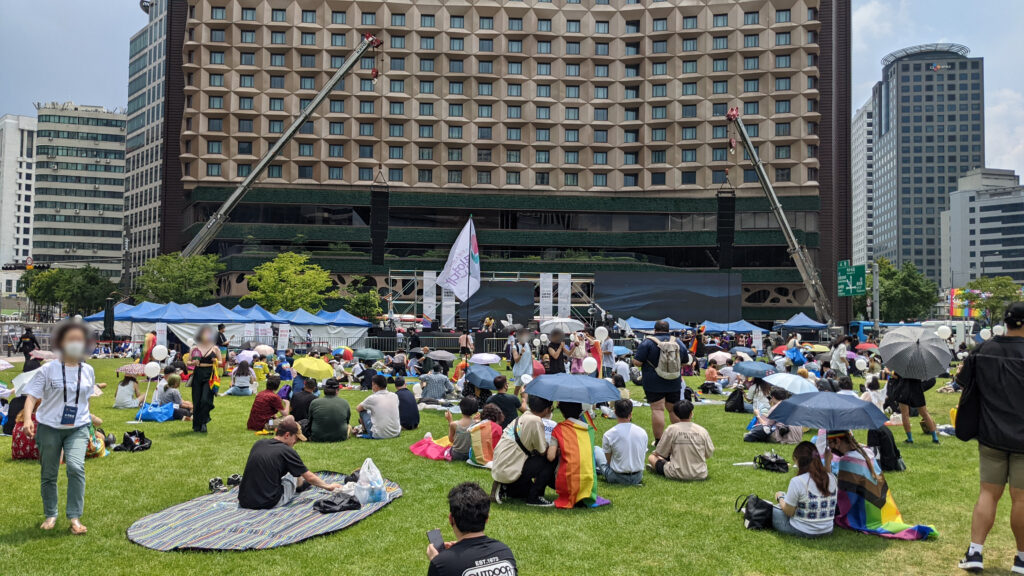
(c) Sung Un Gang
Postdoc at the Collaborative Research Centre 1265 “Re-Figuration of Spaces”, TU Berlin. Exploration of queer living spaces in Seoul, with a focus on digital platforms, social media, and their significance for belonging and exclusion.
The Making of Modern Subjects: Public Discourses on Korean Female Spectators in the Early Twentieth Century
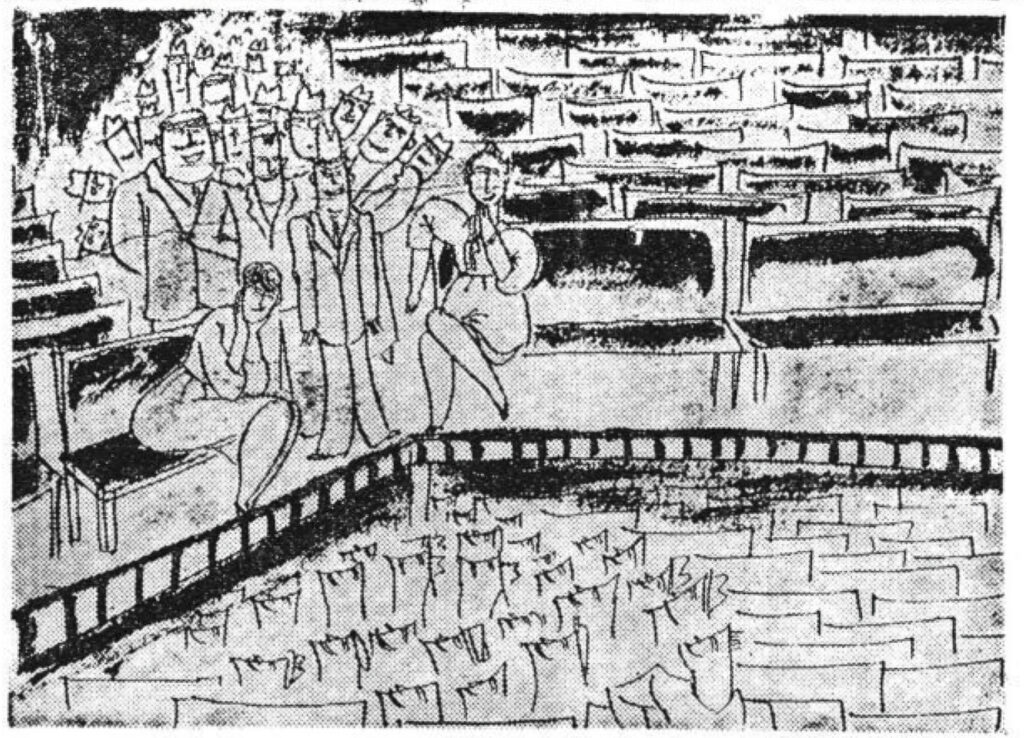
(c) A-Saeng
Dissertation in Theatre and Media Cultural Studies, University of Cologne. Historical discourse analysis of Korean female cinema-goers in the early twentieth century as part of processes of subjectification. Published open access in the series “Gender, Diversity and Culture in History and Politics” with transcript.